


Family Law Forms, California
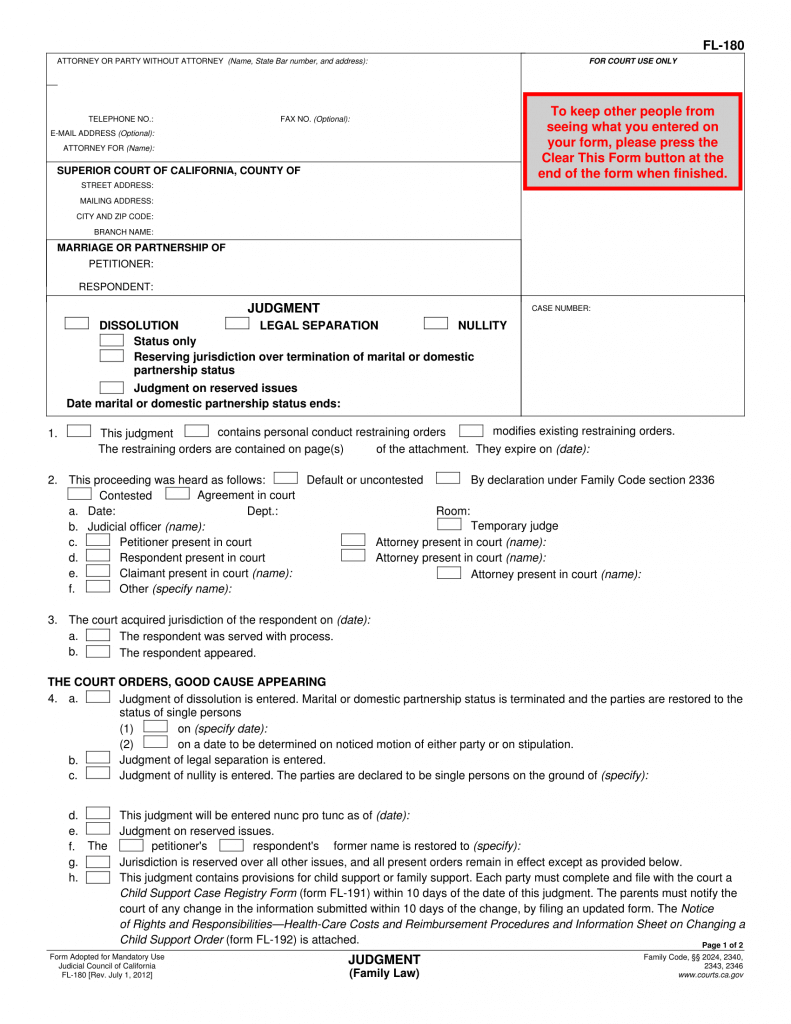
FL 180 – Judgment: Dissolution, Legal Separation, Nullity
Introduction to Form FL-180
Form FL-180 is the California judgment form that officially ends your marriage or domestic partnership once a judge signs it. Without a properly completed and signed FL-180, you remain legally married or registered domestic partners in California—regardless of how long you’ve been separated or how many other documents you’ve filed.
Pinkham & Associates, APLC is an Orange County family law firm that regularly prepares and reviews FL-180 judgments for divorce, legal separation, and annulment case matters. This page serves as a practical resource for California residents—especially those in Orange County—trying to understand how FL-180 fits into their divorce case.
- FL-180 is the official “Judgment” form used in all California family law cases
- It restores your marital status to single once the court enters the final judgment
- The form captures court orders on custody, support, and property
- Without it, your divorce process is incomplete
What Is Form FL-180 in California Family Law?
Form FL-180 is the Judicial Council of California judgment form used in family law cases to finalize dissolution of marriage, legal separation, or nullity of marriage or domestic partnership. This two page court form becomes the central legal document that governs your post-divorce rights and obligations.
- Captures the court’s final orders (or parties’ agreements) on marital status termination date, child custody and visitation, child support, spousal support, and property division
- Filed near the end of a divorce after all required disclosures and agreements or trial decisions are complete
- Standardized across California courts, but local requirements at the Orange County Superior Court can affect preparation and processing
- Serves as the document that law enforcement, schools, and financial institutions will rely on for years
When You Need to Use Form FL-180
You need FL-180 to finalize any of the following in California family courts:
- Dissolution of marriage (divorce)
- Dissolution of domestic partnership
- Legal separation
- Nullity (annulment case)
The form is submitted after the petitioner has filed the Petition (FL-100), the Respondent has responded (or default has been entered via Declaration for Default or Uncontested Dissolution procedures), and all financial disclosures and agreements are complete.
| Case Type | When FL-180 Is Filed |
|---|---|
| Default | After FL-165 Request to Enter Default, six months from service |
| Uncontested | After parties sign marital settlement agreement |
| Contested | After trial or settlement on the record |
| In cases with minor children, FL-180 cannot stand alone—it must reference attached custody, visitation, and child support orders. Whether you’re self-represented or have attorneys, the same FL-180 dissolution form applies in Orange County divorces. |
Key Parts of the FL-180 Judgment Form
Understanding the structure of FL-180 helps you fill it correctly. Here’s what each section covers:
- Caption and case information: Court name (Superior Court of California, County of Orange), case number, party names, and attorney information
- Type of judgment: Select dissolution, legal separation, or nullity—and indicate whether the case is default, uncontested, or contested
- Marital status section: States the termination date of marital status (must be at least six months from service or first appearance under California law)
- Child custody/visitation: References attached forms like FL-341 for parenting plans and legal/physical custody arrangements
- Support orders: Specifies whether child support and spousal support are ordered, reserved, or terminated, with details on FL-342 or FL-343 Family Support Order Attachment
- Property orders: Reflects property division through attachments like FL-345 or detailed property exhibits
- Attachments listing: Every referenced attachment must be labeled correctly and included with your completed form
Attachments Commonly Filed with FL-180
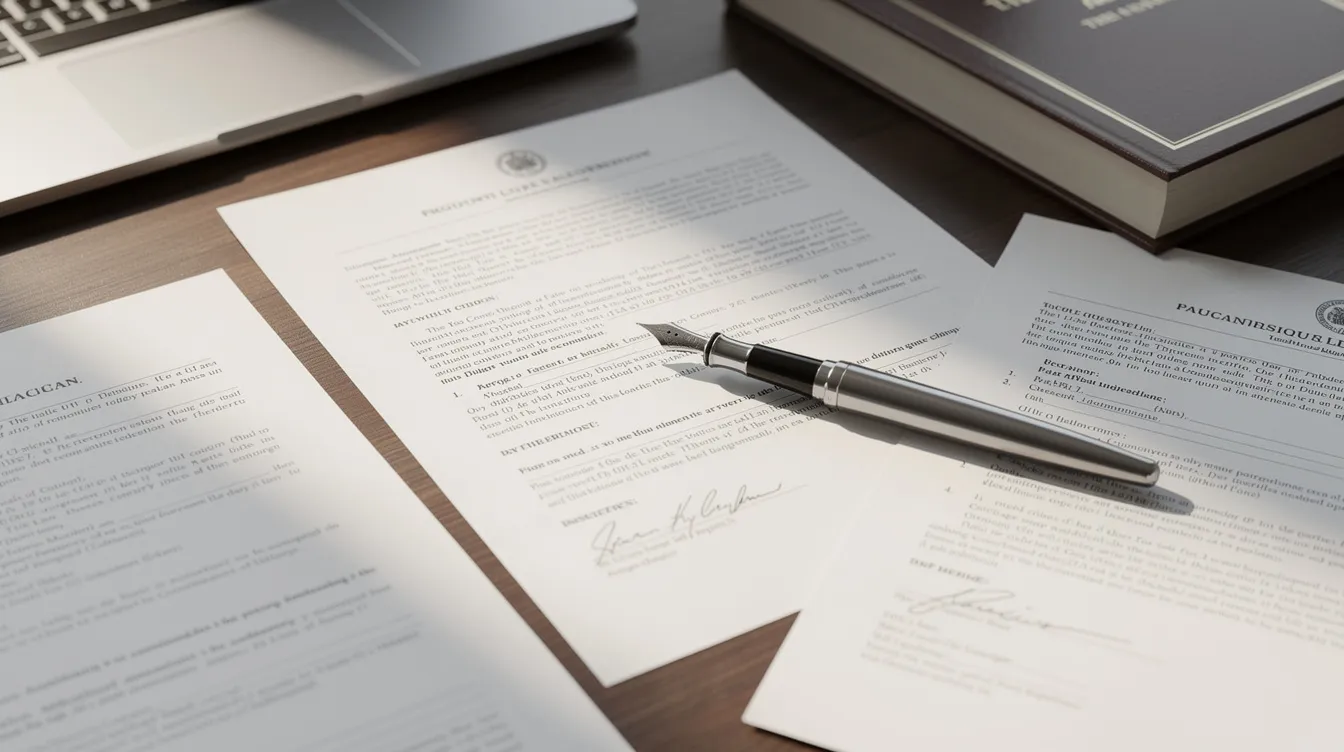
FL-180 almost always requires multiple attachments that spell out the detailed court orders. The judgment paperwork typically includes:
- FL-341: Child custody and visitation orders
- FL-341(A/B/C/E): Parenting and holiday schedules
- FL-342: Child support orders and child support agreements
- FL-343: Spousal or domestic partner support orders
- FL-344/FL-345: Property orders for assets and debts
Many Orange County divorces finalize with a negotiated marital settlement agreement incorporated into the judgment and referenced on FL-180. Cases involving domestic violence may require attachment of DV-130 protective orders.
Orange County may also require local forms or cover sheets—check the california courts website and Orange County Superior Court site for current local requirements, including use of the FL-182 Judgment Checklist for dissolution or legal separation, and any information sheet updates.
How to Fill Out FL-180 Step by Step
Here’s a sequential overview to help you complete FL-180 accurately:
- Gather your documents: Case number, filed Petition (FL-100), Response (FL-120) if any, financial disclosures (such as the FL-155 Financial Statement (Simplified) or FL-140/142/150), written agreements, and trial minute orders
- Complete the caption: Enter court information for the appropriate Orange County courthouse, party names, and attorney details
- Select judgment type: Choose dissolution, legal separation, or nullity accurately—and indicate default, uncontested, or contested status
- Address child custody: Check the box indicating custody is ordered and attach FL-341 series forms with complete details
- Specify child support: Indicate whether support is ordered, reserved, or terminated; attach FL-342 with guideline calculations
- Handle spousal support: Note if domestic partner support or spousal support is ordered, set at zero, reserved, or terminated; include FL-343 or reference MSA
- List property division: Reference FL-345 or detailed exhibits showing equal division of community property unless parties agree otherwise
- Complete attachments section: Ensure every attachment is labeled, signed, and listed correctly
- Obtain signatures: Parties sign where required; the judge’s signature makes the final judgment effective once filed with the court clerk
Tips to Avoid Mistakes and Delays on FL-180
Common errors cause the clerk to reject FL-180 packages in Orange County. Save time by avoiding these issues:
- Ensure all required attachments are present, properly labeled, and referenced on FL-180
- Verify consistent information across forms: party names, case number, date of separation, and property descriptions must match FL-100, FL-160, and any MSA
- Calculate the marital status termination date correctly—it must be at least six months from service or first appearance
- Double-check all signature blocks before you submit; missing signatures cause frequent rejections
- Proofread for math errors in support amounts, property equalization payments, and reimbursement procedures
- Consider that you may mail documents in one envelope but should include the correct number of copies
For complex cases involving high-asset estates, business ownership, retirement accounts requiring QDROs, or contested custody, consult a family law attorney before filing to protect your long-term rights.
What Happens After You File FL-180 in Orange County
Once you file FL-180, here’s what to expect:
- Court review: The court clerk and judicial officer review your submission; if errors exist, the judgment may be rejected with a notice listing required corrections
- Notice of Entry: After approval, the court mails FL-190 Notice of Entry of Judgment to both parties
- Service: The prevailing party serves a conformed copy of the signed judgment on the other spouse via mail
- Effective date: The court enters the date marital status ends, appearing on both FL-180 and the Register of Actions
- Post-judgment filings: If child support is ordered, file FL-191 Child Support Case Registry form within 10 days
After entry of the divorce decree, update your estate planning documents, beneficiary designations, and titles to property and vehicles. Custody, visitation, and support orders can be modified later on changed circumstances, and serious nonpayment issues might require an Application to Determine Arrearages, but property orders are generally final once FL-180 is entered.
Why Accurate FL-180 Preparation Matters for Your Future
An inaccurate or incomplete FL-180 can:
- Leave parties legally married longer than intended
- Create confusion over custody and visitation rights
- Cause enforceability problems with support and property orders
FL-180 becomes the central document that law enforcement, child support services, and other courts rely on for years. In high-asset Orange County cases involving real estate portfolios, business interests, or stock options, poorly drafted judgments can cause significant financial harm.
Well-drafted FL-180 and attachments reduce the risk of future litigation, enforcement hearings, and costly modification battles between former spouses.
How Pinkham & Associates, APLC Can Help with FL-180
Pinkham & Associates, APLC is a boutique Orange County family law firm focused exclusively on divorce and related family law matters, including preparation and review of FL-180 judgments.
- Negotiate marital settlement agreements that provide details protecting your interests
- Draft precise custody and support orders that comply with California and Orange County requirements, including situations where an order appointing counsel for a child may be appropriate
- Handle straightforward uncontested divorces and complex high-asset or high-conflict cases
- Provide direct access to an experienced family law attorney who can spot errors and minimize delays
- Pursue settlement, mediation, or litigation to establish favorable judgment terms
Unlike automated form services, experienced legal representation ensures your attorney fees investment protects your long-term rights.
Free FL-180 Consultation and Next Steps
If you’re navigating a divorce in Orange County, schedule a free consultation with Pinkham & Associates, APLC regarding the FL-110 family law summons and related forms. Our attorneys can:
- Review a draft FL-180 before you file
- Prepare a complete judgment package from scratch
- Evaluate whether your proposed terms adequately protect your interests
- Help if your judgment was rejected by the court or doesn’t accurately reflect your agreement
We provide compassionate, practical guidance during this stressful time. Early advice on FL-180 can prevent serious problems later—contact us today to request your consultation and take the next step toward completing your divorce.