



When your California family law case reaches its conclusion, one document serves as the official confirmation that everything is final: Form FL-190. This Notice of Entry of Judgment is the court’s way of telling you and the other party that your divorce, custody arrangement, or support order has been officially entered into the record. Understanding what FL-190 means—and what to do when you receive it—can save you from confusion about your rights, your obligations, and your next steps.
This guide covers everything you need to know about FL-190, from what information it contains to how it affects your ability to remarry, enforce custody orders, or modify support. If you’re going through a family law case in Orange County or anywhere in California, this resource will help you navigate the final stages of your case with confidence.

What Is Form FL-190 in California Family Law?
Form FL-190, officially titled “Notice of Entry of Judgment (Family Law—Uniform Parentage—Custody and Support),” is a California Judicial Council form that serves as the official notification that a judgment has been signed and filed in your family law case. Whether you went through a divorce, established paternity, or resolved a custody dispute, FL-190 is typically the last document you’ll receive from the court before your case transitions to the post-judgment phase.
Here’s what you need to know about FL-190 at a glance:
- FL-190 is issued by the court clerk—not completed by you or your attorney—to provide official notice that your judgment is now entered and effective.
- The form applies to multiple case types, including dissolution of marriage (divorce), legal separation, nullity (annulment), uniform parentage actions, and standalone custody or support matters.
- The current version of FL-190 has been effective since January 1, 2005, and is governed by Family Code sections 2338, 7636, and 7637.
- FL-190 documents the type of judgment granted and lists key dates that alter your legal relationships, such as when your marriage officially ends or when support obligations begin.
- In California family courts—which process over 100,000 dissolution cases annually—FL-190 ensures uniformity and proper notice across all superior courts.
At Pinkham & Associates, APLC, a family-law-only firm based in Orange County, California, we routinely review FL-190 forms with our clients at the conclusion of their cases. We help ensure that the dates and judgment type listed match what was negotiated or ordered, and we explain what these details mean for moving forward with your life.
When and Why FL-190 Is Used in a California Case
FL-190 is issued after the court signs and enters your judgment. In a divorce, this typically means the judge has approved Form FL-180 (Judgment) along with any attached orders regarding custody, support, and property division. In parentage cases, FL-190 confirms that the Uniform Parentage Judgment has been filed and is now enforceable.
The purpose of FL-190 is straightforward: to give all parties official notice that the case has concluded and that the terms contained in the judgment are now legally binding.
Common Case Types Where FL-190 Appears
FL-190 is used across a range of family law matters, including:
- Dissolution of marriage (divorce): The most common use, confirming that the marriage is terminated and all related orders are in effect.
- Legal separation: Similar to divorce, but the parties remain legally married while dividing assets and establishing support.
- Nullity/annulment: Cases where the marriage is declared void from the beginning.
- Uniform parentage (paternity): Establishing the legal parent-child relationship, often for purposes of custody and child support.
- Child custody and visitation: Standalone cases or portions of divorce/parentage cases where parenting arrangements are finalized.
- Child support and spousal support: Cases where financial support obligations are established or modified.
Why the Date on FL-190 Matters
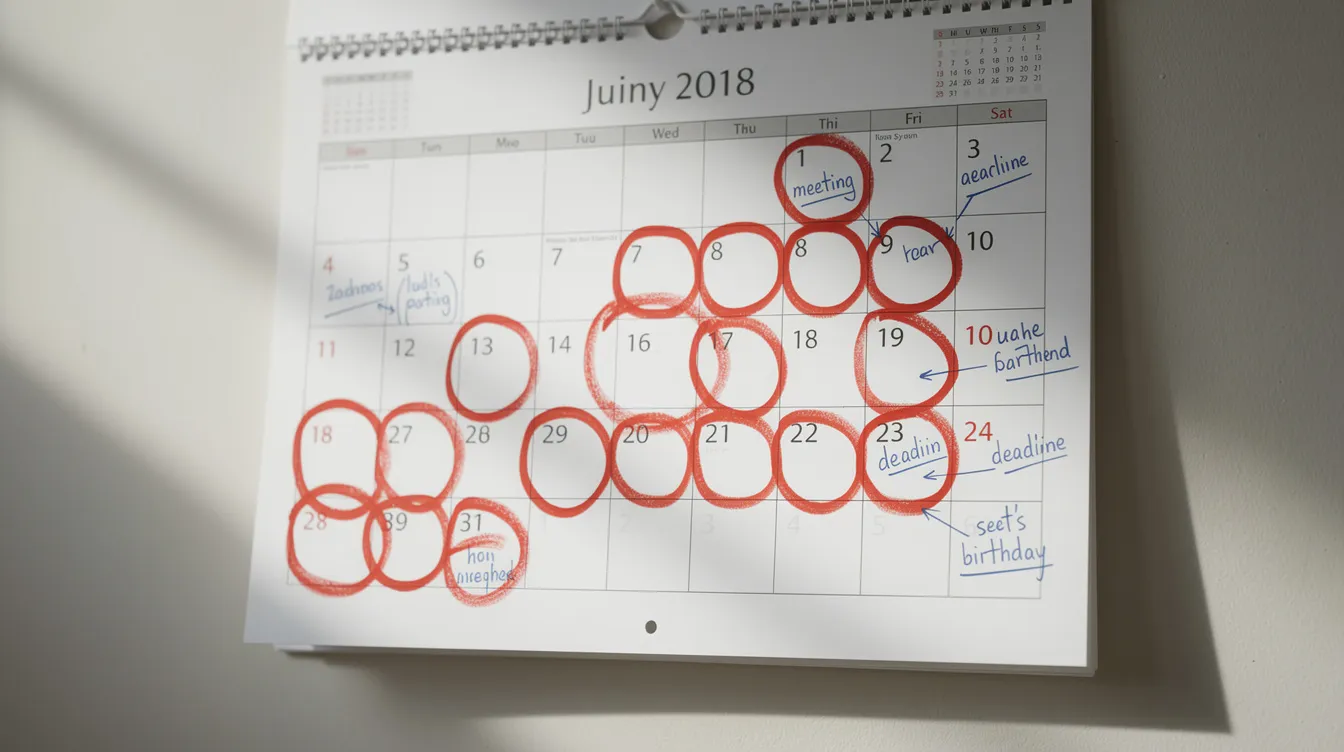
The date on FL-190 controls several important timelines in your case:
- Marital status termination: In divorce cases, the date listed determines when you are legally single and free to remarry. This date is often at least six months after service of the summons, as required by California law.
- Appeal deadlines: The entry date triggers your window to file an appeal, typically 60 days from the date FL-190 is mailed under California Rules of Court.
- Enforceability: Custody, visitation, child support, and spousal support orders become enforceable as of the entry date unless the judgment specifies otherwise.
In many Orange County family court cases—particularly those handled at the Lamoreaux Justice Center—FL-190 is the final document filed and mailed before the case moves into post-judgment territory, where enforcement or modification issues may arise.
Key Information Contained in FL-190
FL-190 packs a lot of relevant information into a single page. Understanding each element helps you confirm that your judgment was entered correctly and that you know what dates apply to your situation.
Party and Case Identification
The top portion of FL-190 identifies:
- Petitioner and Respondent names: The parties to the case, listed exactly as they appear in the court file.
- Case number: Your unique identifier for the case, which you’ll need for any future filings or inquiries.
- Court information: The superior court where the case was heard, including the branch name (such as Orange County Superior Court, Lamoreaux Justice Center).
- Address of each party or attorney: The mailing address on record, used for the clerk’s service of the notice.
Type of Judgment
FL-190 includes checkboxes that specify the type of judgment entered in your case. The clerk will mark the applicable box, which may include:
- Dissolution (full divorce terminating all issues)
- Dissolution—status only (ending marital status while reserving jurisdiction over other matters)
- Dissolution—reserving jurisdiction (ending the marriage but leaving certain issues for later determination)
- Legal separation
- Nullity (annulment)
- Parentage (Uniform Parentage Act)
- Custody and support (standalone orders)
Confirming that the correct box is checked is essential. An incorrect judgment type could create confusion about your legal status or the enforceability of certain orders.
Two Critical Dates
FL-190 lists two pivotal dates that every party should understand:
- Date of entry of judgment: This is the date the judgment was officially filed with the court. It marks when most orders—custody, visitation, child support, spousal support, and property division—become enforceable. It also starts the clock on appeal deadlines and various post-judgment motions.
- Date marital status terminates: In divorce cases, this is the date you become legally single. California law requires a minimum six-month waiting period from service of the summons before marital status can end, so this date may be later than the entry date. This is the date that determines when you can legally remarry.
For legal separations, parentage, or custody-only cases, the marital termination date box may not apply or will be left blank.
Clerk Certification and Mailing Confirmation
FL-190 includes a certification section where the clerk confirms:
- That the judgment notice was mailed via first-class mail in sealed, prepaid envelopes
- The date of mailing
- The addresses to which copies were sent (parties or their attorneys)
The clerk’s signature and the court seal authenticate the document, making it the official record that notice was provided. This mailing date is important because it typically triggers appeal and other procedural deadlines.
Attached Judgment Documents
When you receive FL-190, it should arrive with a copy of the judgment itself (such as FL-180) and any attached orders, including:
- Parenting plans or custody/visitation schedules
- Child support orders
- Spousal support orders
- Property division terms
- Restraining orders or other relevant provisions
Keep FL-190 together with these attachments as your complete record of the final judgment.
Who Receives FL-190 and Who Handles It
Understanding who is responsible for FL-190—and who receives it—helps clarify the process and avoid confusion about your obligations.
The Court Clerk’s Role
The court clerk is responsible for:
- Reviewing the proposed judgment and supporting documents submitted by one or both parties (or their attorneys)
- Completing and signing FL-190 once the judge has approved and entered the judgment
- Affixing the court seal to authenticate the notice
- Mailing FL-190 to all parties or their attorneys of record
You do not fill out or submit FL-190 yourself. This form is completed entirely by the clerk after the judgment is entered.
Who Receives a Copy
A copy of FL-190 is mailed to:
- Each self-represented party at their address of record with the court
- The attorney of record for any represented party
If you are represented by counsel, your attorney will receive FL-190 and should forward it to you or review it with you. If you are self-represented, you will receive FL-190 directly at the address you provided in your court filings.
Typical Processing Times in Orange County
After you submit a proposed judgment (such as FL-180 with all supporting documents), the clerk reviews the package for completeness. In Orange County, this review and entry process typically takes:
- Standard cases: 2 to 6 weeks
- Peak periods (post-holiday or summer months): Up to 8 weeks
Processing times can vary depending on courthouse workload and whether your documents require corrections. You can often track the status of your judgment through the court’s online portal or by contacting the clerk’s office.
What Parties Should Do
While you don’t file FL-190, you should:
- Carefully review it when received to confirm that all information—names, dates, judgment type—is accurate
- Contact the court clerk or your attorney immediately if you spot an error
- Retain the notice with your judgment and other case documents
Ensuring accuracy at this stage prevents complications with enforcement, appeals, or future modifications.

How FL-190 Affects Your Divorce, Custody, and Support Rights
The dates and information on FL-190 have direct legal consequences for your rights and obligations. Here’s how the notice affects different aspects of your case.
Marital Status Termination and Remarriage
In a divorce case, the “date marital status terminates” on FL-190 is the date you become legally single. Until that date passes, you cannot legally remarry. Attempting to marry before this date could result in a void marriage or even criminal liability for bigamy under Penal Code 281.
This date is calculated per Family Code section 2339(a) and is typically set at least six months after the respondent was served with the summons and petition. If your case was bifurcated (status terminated before all other issues were resolved), the termination date may be earlier than the date property or support issues were finalized.
Appeal Deadlines and Post-Judgment Motions
The date of entry of judgment on FL-190 triggers important deadlines, including:
- Appeals: You generally have 60 days from the date FL-190 is mailed to file a notice of appeal under California Rules of Court.
- Motions to vacate: Under Code of Civil Procedure section 473, you may have up to 6 months from the entry date to seek relief from the judgment based on mistake, inadvertence, or excusable neglect.
- Motions to set aside: Under Family Code sections 2120–2129, you may be able to challenge the judgment for fraud, duress, or certain material omissions within 1 to 2 years, depending on the grounds.
Missing these deadlines can permanently foreclose your options, so calendar them carefully.
Enforceability of Custody, Visitation, and Support Orders
Custody, visitation, and child support orders become enforceable as of the entry date on FL-190, unless the judgment specifies a different effective date. This means:
- You can seek enforcement through contempt proceedings if the other party violates the orders
- You can register the orders with other states under UCCJEA or UIFSA for interstate enforcement
- Child support orders trigger involvement by the Department of Child Support Services (DCSS) if applicable
Spousal support obligations also begin accruing as of the entry date, and any unpaid amounts can become arrears subject to collection.
Property Division
Property division orders in the judgment are final as of the entry date. Title transfers, asset distributions, and debt allocations become binding and can only be changed through appeal or certain limited post-judgment relief.
Why Accuracy Matters in Complex Cases
In high-asset divorces, complex parenting plans, or cases involving long-term spousal support, the exact dates on FL-190 can have significant financial and practical implications. At Pinkham & Associates, we review FL-190 with clients in these situations to ensure the effective dates align with the negotiated or litigated terms and that there are no errors that could complicate future enforcement or modifications.
What to Do After You Receive FL-190
Receiving FL-190 means your case has reached a major milestone. Here’s a step-by-step guide to what you should do once it arrives.
Verify Your Information
Check the following details carefully:
- Your name and address
- The opposing party’s name and address
- The case number
- The court and branch where your case was heard
If any of this information is incorrect, it could affect the validity of the notice or cause problems with future filings.
Confirm the Judgment Type
Review the checkbox section to ensure the correct type of judgment is marked. Common errors include:
- Marking “dissolution” when the case was a legal separation
- Selecting the wrong parentage or custody box
- Failing to note reserved jurisdiction in a bifurcated case
If the judgment type is wrong, contact the clerk or your attorney to request a correction.
Check the Dates
Verify both dates on FL-190:
- Date of entry of judgment: This is when your orders become enforceable and when appeal and motion deadlines begin.
- Date marital status terminates (divorce cases): This is when you are legally single. Make sure it complies with the six-month waiting period and matches what you expected based on your case timeline.
Calendar these dates immediately so you don’t miss any deadlines.
Organize Your Documents
Keep FL-190 with your signed judgment and all attached orders. Store these in a secure, accessible location—ideally in both paper and scanned digital form. You may need these documents for:
- Proving your divorce or custody orders to government agencies, employers, or schools
- Wage garnishment or support enforcement
- Future modification requests
- Tax filings (especially for spousal support or property transfers)
Address Errors Promptly
If you notice any errors on FL-190—wrong dates, incorrect judgment type, or outdated addresses—take action immediately:
- Contact the court clerk’s office to request a correction
- If the error involves the judgment itself (not just FL-190), you may need to file an ex parte application (Form FL-360) or a noticed motion
- Consult a family law attorney if you’re unsure how to proceed
Court data suggests that 5–10% of clerk entries contain some form of error, often related to addresses or judgment type. In some situations, a prior findings and order after hearing may also need to be corrected to keep your record consistent. Catching these mistakes early prevents complications down the road.
Seek Professional Guidance If Needed
If you have questions about your FL-190, your final judgment, or what comes next in your case, Pinkham & Associates, APLC offers consultations to Orange County residents. Whether you handled your case on your own or had representation, we can review your documents and help you understand your options.
How Pinkham & Associates Helps With FL-190 and Final Judgments
At Pinkham & Associates, APLC, we focus exclusively on family law matters in Orange County, California. Our work doesn’t end when the proposed judgment is submitted—we stay involved through entry of judgment and the issuance of FL-190 to ensure everything is handled correctly.
Full-Service Representation From Filing to Final Judgment
We handle divorce, custody, support, and property division cases from initial filing through the conclusion of your case. This includes:
- Preparing and reviewing proposed judgments and related documents such as the FL-110 family law summons before submission
- Ensuring all required documents and disclosures are included
- Monitoring the court’s processing and following up on delays
- Confirming with clients when FL-190 is issued and explaining what the dates mean
Review Services for Self-Represented Parties
If you handled your case on your own (pro se) and have already received FL-190, we can still help. Our family law blog also offers educational resources, and our team can:
- Review your judgment and notice for errors or inconsistencies
- Identify potential issues that may affect enforcement or future modifications
- Explain your post-judgment options, including motions to vacate or modify orders
Self-represented litigants make up 20–30% of family law cases in Orange County, and many overlook important details that can cause problems later. Choosing the right divorce lawyer in Orange County and getting a professional review can provide peace of mind and catch issues before they become costly.
Experience With Complex Cases
Our firm has extensive experience with, backed by a team of attorneys with decades of combined family law practice as described on our About Us page:
- High-asset divorces involving business interests, retirement accounts, and real property
- Complex parenting plans spanning multiple jurisdictions or involving special needs children
- Long-term or indefinite spousal support orders where the exact effective date carries significant financial consequences
In these cases, the dates on FL-190 can affect tax obligations, property transfers, and ongoing support calculations, and may even impact how you later calculate and prove support arrearages using tools like an application to determine arrearages. We ensure that your final judgment reflects the terms you agreed to or fought for.
Schedule Your Consultation
If you’re in Orange County or nearby Southern California communities and have questions about FL-190, your final judgment, or post-judgment issues, our Orange County divorce lawyers are here to help. Contact Pinkham & Associates, APLC to schedule a consultation by phone or online. We’ll review your situation and help you understand your rights and next steps.

Common Questions About FL-190
Below are answers to some of the most frequently asked questions about FL-190 and what happens after your family law judgment is entered.
Is FL-190 required in all California divorce cases?
Yes. In standard California family law matters—including divorce, legal separation, nullity, parentage, and custody/support cases—the court clerk is required to issue FL-190 once the judgment is entered. This form serves as the official notice to all parties that the judgment is now in effect.
Can I remarry or enforce orders before I receive FL-190?
Generally, no. You cannot legally remarry until the date marital status terminates, as shown on FL-190, has passed. Similarly, while custody and support orders may be enforceable as of the entry date, you need FL-190 to confirm that date and provide proof of the judgment to third parties. Attempting to act before the effective dates can create legal complications.
How long does it take to receive FL-190 in Orange County after submitting a proposed judgment?
Processing times vary, but in Orange County, you can typically expect:
- Standard processing: 2 to 6 weeks
- Peak periods or complex cases: Up to 8 weeks
Delays can occur if your judgment package is incomplete or requires corrections. You can check the status of your case through the court’s online portal or by contacting the clerk’s office directly.
What if I never receive FL-190?
If you don’t receive FL-190 within the expected timeframe, there are several possible explanations:
- Wrong address on file: The clerk mails FL-190 to the address of record. If you moved and didn’t update your address with the court, the notice may have been sent to the wrong location.
- Mail problems: Occasionally, notices are lost or delayed in transit.
- Judgment not yet entered: The court may not have processed your judgment yet, especially if corrections were needed.
To resolve this, contact the court clerk’s office or have your attorney request a conformed copy of the judgment and FL-190. You can typically obtain copies for a small fee (around $0.50 per page in most counties).
Can I modify custody, visitation, or support after FL-190 is issued?
Yes. Once FL-190 is issued and your judgment is entered, any changes to custody, visitation, child support, or spousal support become “post-judgment” modifications. To modify these orders, you generally must:
- File a Request for Order (Form FL-300 or FL-390)
- Demonstrate a material change in circumstances since the original order was entered
- Serve the other party and attend a hearing
Success rates for custody modifications are approximately 30% based on appellate data, but this varies widely depending on the facts of each case. Spousal support modifications have their own standards under Family Code sections 3651 and 4320.
What if FL-190 contains an error?
If you notice an error on FL-190—such as a wrong date, incorrect judgment type, or outdated address—you should:
- Contact the court clerk’s office to request a correction if the error is clerical
- File an ex parte application (Form FL-360) if a more formal correction is needed
- Consult a family law attorney if the error involves the underlying judgment itself
Errors occur in approximately 5–10% of clerk entries, so careful review is essential.
Does FL-190 affect my ability to change my name?
If your judgment included a request to restore your former name (typically included in FL-180), FL-190 confirms when that order is effective. You can use the judgment and FL-190 as proof when updating your name with the DMV, Social Security Administration, and other agencies.
Where can I get help with FL-190 or post-judgment issues?
Pinkham & Associates, APLC offers consultations for Orange County residents with questions about FL-190, final judgments, or post-judgment matters. Whether you need help understanding your notice, correcting an error, or pursuing a modification, our team is here to provide clear guidance tailored to your situation.
Moving Forward After Your Judgment
Receiving FL-190 marks the end of one chapter and the beginning of another. Whether you’re ready to move on with your life, enforce your custody orders, or address issues that have arisen since your judgment was entered, understanding this form is essential.
Take the time to review your FL-190 carefully, calendar the important dates, and keep your documents organized and secure. If you have questions or concerns—especially about errors, appeals, or modifications—don’t hesitate to seek professional help.
At Pinkham & Associates, APLC, we’re committed to helping Orange County families navigate every stage of the family law process, from initial filings to final judgments and beyond, drawing on the leadership and experience of our founder Douglas Pinkham. Contact us today to schedule your consultation and get the answers you need.