



When You Need a Child Custody Attorney: What to Know First
A child custody attorney can be the difference between a fair outcome and losing precious time with your children. If you’re facing a custody dispute in Southern California, here’s what you need to know right away:
Quick answers for parents searching for help:
- What does a child custody attorney do? They protect your parental rights, guide you through California family court, negotiate custody agreements, and represent you in hearings.
- When should you hire one? As early as possible — especially if the case is contested, involves abuse allegations, or a parent wants to relocate.
- What does it cost to get started? Pinkham & Associates, APLC offers a free consultation so you can understand your options without any upfront commitment.
- Where do custody cases happen in Orange County? Most are heard at local family courts, often with mandatory mediation before any hearing.
- What standard do California courts use? Every custody decision is based on the best interests of the child — not the mother’s or father’s preference.
Child custody cases are among the most emotionally draining legal battles a parent can face. The decisions made during this process shape your child’s daily life — where they sleep, who makes their medical decisions, and how much time they spend with each parent.
California law gives no automatic advantage to either parent. That means the outcome depends heavily on how your case is presented. Having the right legal representation matters enormously.
Understanding California Child Custody Laws and Classifications
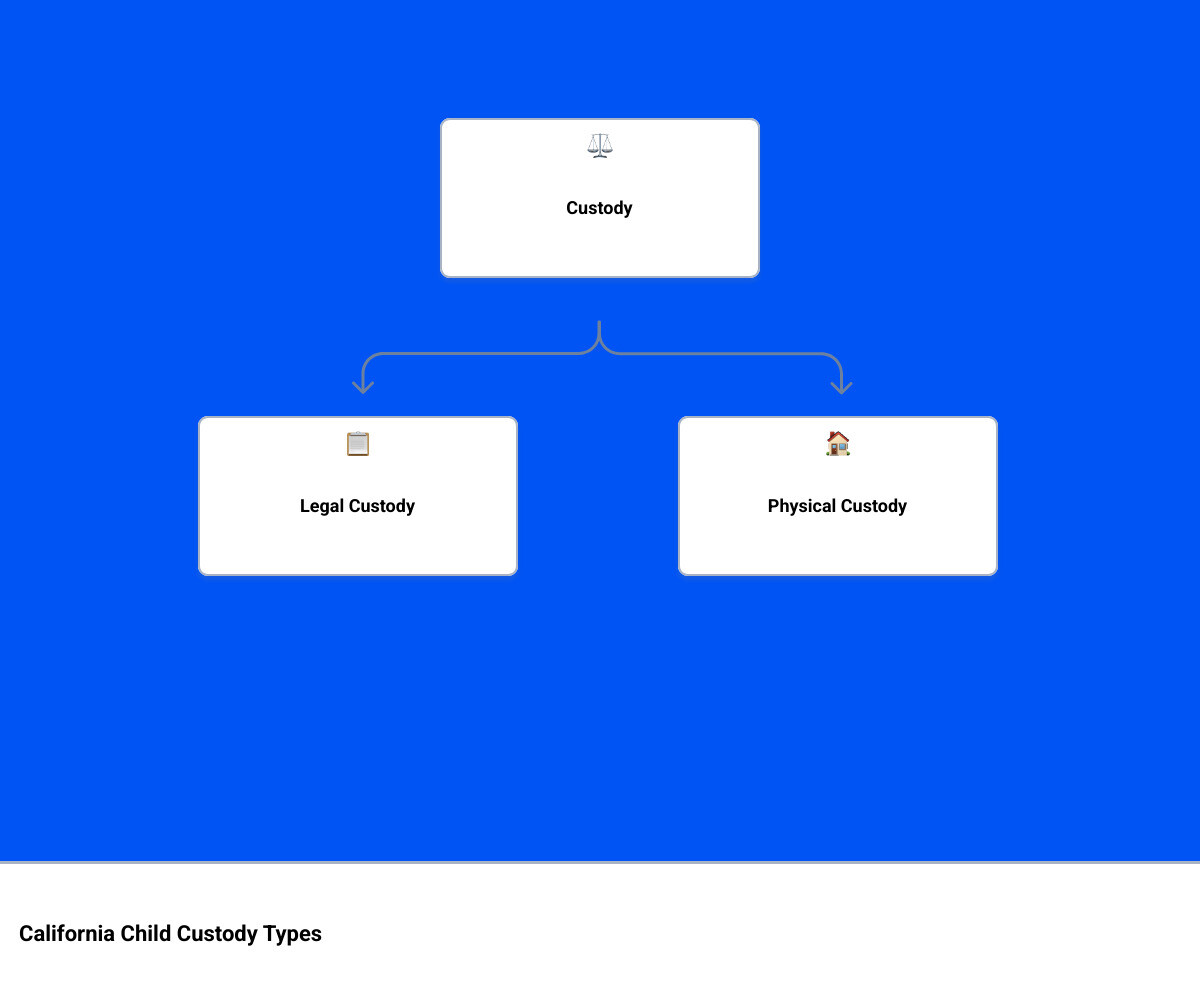
Navigating the legal system in Orange County requires a clear understanding of the two distinct types of custody. It’s not just about who the child lives with; it’s about who holds the “steering wheel” of the child’s life.

Legal Custody: The Decision-Making Power
Legal custody refers to the right and responsibility to make important decisions about a child’s health, education, and welfare. This includes choosing schools, religious activities, medical treatments, and even extracurricular involvements. In most cases, California courts prefer joint legal custody, meaning both parents must collaborate on these major life choices. However, if one parent is deemed unfit or uninvolved, the court may grant sole legal custody to the other.
Physical Custody: Where the Child Lives
Physical custody determines the child’s primary residence and the actual time spent with each parent.
- Joint Physical Custody: The child spends significant periods of time with both parents. It does not necessarily mean a perfect 50/50 split, but it ensures the child has frequent and continuing contact with both.
- Sole Physical Custody: The child lives with one parent (the custodial parent) most of the time, while the other parent (the non-custodial parent) typically has visitation rights.
| Feature | Sole Custody | Joint Custody |
|---|---|---|
| Decision Making | One parent decides everything | Parents must agree on major issues |
| Living Arrangement | One primary home | Child moves between two homes |
| Court Preference | Used in high-conflict/abuse cases | Standard preference for healthy families |
Under California Family Code § 3042, the court may also consider the child’s input if they are of sufficient age and capacity. For a deeper dive into how these classifications affect your specific situation, you can find more info about child custody services or review the California child custody laws 2025 update to stay current on recent legislative shifts.
How Courts Determine the Best Interests of the Child
When a child custody attorney stands before a judge in Irvine or Newport Beach, the primary argument always centers on the “Best Interests of the Child” standard. This isn’t just a catchy phrase; it is a rigorous legal test.
The Best Interest Test
The court evaluates several factors considered by the court to ensure the child’s environment is stable and safe. These include:
- The health, safety, and welfare of the child.
- Any history of abuse by a parent or anyone seeking custody.
- The nature and amount of contact with both parents.
- Any habitual or continued use of controlled substances or alcohol.
You can learn more about the specifics of the best interests of a child test to see how a judge might view your home environment.
Special Protections and Sibling Bonds
California law also provides specific protections for unique circumstances. For instance, California Family Code § 3047 ensures that a parent’s military deployment or mobilization cannot be used as the sole basis for a permanent change in custody.
Furthermore, judges are generally hesitant to separate brothers and sisters. There is a legal presumption against splitting siblings unless there are compelling reasons to do so, as outlined in sibling separation rules. The goal is to maintain the emotional ties that provide a sense of continuity for the child during a divorce.
Not every custody battle has to end in a “theatrical” courtroom showdown. In fact, California law requires parents to attend mediation through Family Court Services (FCS) before they can even have a contested hearing.
The Mediation Process
Mediation is designed to help parents create their own child custody and timeshare agreements without a judge imposing a schedule.
- Confidential vs. Recommending: In some counties, mediation is confidential. In others, like many Southern California jurisdictions, the mediator may make a recommendation to the judge if the parents can’t agree.
- Collaborative Law: This is an out-of-court process where both parties agree to resolve disputes respectfully with the help of their attorneys.
- Parenting Plans: A successful mediation results in a detailed plan covering holidays, school breaks, and the complexity of visitation plans.
Understanding what happens at a first custody hearing in places like Orange County can help lower your anxiety and prepare you for the negotiation strategies your attorney will employ.
Why You Need a Specialized Child Custody Attorney for Mediation
It is a common mistake to think you don’t need a lawyer for mediation. On the contrary, having a child custody attorney—specifically a Certified Family Law Specialist like Douglas Pinkham—is vital.
An attorney helps you prepare your talking points, ensures you don’t agree to a “bad deal” under pressure, and protects your fathers’ rights in California or your rights as a mother. Whether you need an Irvine child custody lawyer or representation in Tustin, having a specialist ensures your evidence is organized and your parental rights remain intact.
Modifying and Enforcing Your Custody Agreement
Life changes. A promotion might require a move, or a parent’s lifestyle might shift in a way that endangers the child. When the original court order no longer fits, you must take legal action.
Modifying an Order
To change a custody order, you must show a “significant change in circumstances.” This could include:
- A parent’s relocation (often called relocating children after divorce or move-away requests).
- Changes in the child’s school or medical needs.
- Evidence that the child is no longer safe in their current environment.
If you have lost custody previously, there are specific legal pathways for how to get child custody back, which usually involve demonstrating a period of stability and rehabilitation.
Enforcement and Jurisdictional Issues
If the other parent refuses to follow the court-ordered schedule, you may need to involve the San Diego County District Attorney’s Office or local law enforcement for interference with custody.
For cases involving parents in different states, the Uniform Child Custody Jurisdiction and Enforcement Act (UCCJEA) determines which state has the power to make decisions. In extreme cases involving international boundaries, the Hague Convention provides the legal framework to return children who have been wrongfully removed from their home country.
Common Mistakes to Avoid with Your Child Custody Attorney
Even with a great lawyer, parents can accidentally sabotage their own cases. Here are the most common pitfalls:
- Social Media Venting: Posting negative comments about the other parent or photos of “wild” parties can be used as evidence of poor judgment.
- Violating Orders: “Self-help” (refusing to return the child) is the fastest way to lose the judge’s sympathy.
- Disparaging the Other Parent: Courts look for parents who can co-parent. Bad-mouthing the other parent to the child is seen as parental alienation.
- Ignoring Communications: Not responding to emails or texts from the other parent about the child’s needs.
Reviewing what judges consider in custody decisions can help you stay on the right track. For more tips on selecting the right advocate, see finding custody attorneys who get it.
Frequently Asked Questions about Child Custody
Can a father get 50/50 custody in California?
Absolutely. California law is gender-neutral. The courts recognize that children benefit from “frequent and continuing contact” with both parents. While there is no automatic 50/50 requirement, many judges in Orange County favor joint physical custody if both parents live nearby and are actively involved. Protecting fathers’ rights is a core part of modern family law, ensuring that Dads remain a primary fixture in their children’s lives.
At what age can a child choose which parent to live with?
In California, there is no magic age where a child gets to “pick.” However, under Family Code 3042, once a child reaches age 14, the court must let them address the court unless it is not in their best interest. Younger children may also be heard if the judge deems them mature enough. The court considers their preference but is not bound by it; the judge will still weigh the child’s wish against their overall safety and stability. For more details, read can a child pick which parent to live with.
How do child support and visitation interconnect?
While they are two separate legal issues, they are financially linked. Child support is calculated using a formula that heavily considers the “timeshare percentage”—how much time the child spends with each parent. Generally, the more time you spend with your child, the less support you may have to pay (or the more you may receive). However, you cannot withhold visitation because a parent hasn’t paid support, and you cannot stop paying support because you are being denied visitation. Both require court intervention. You can consult an Irvine child support lawyer or use child support services to ensure the math is fair.
Conclusion
When your relationship with your child is on the line, you don’t just need a lawyer; you need a fearless advocate who understands the nuances of the Orange County court system. Pinkham & Associates, APLC brings over 25 years of exclusive focus to family law, offering the personalized strategies and high success rate that local parents trust.
Whether you are in Placentia, Yorba Linda, or Costa Mesa, the team is ready to provide the expert child custody representation you deserve. Don’t navigate these turbulent waters alone. Take the first step toward securing your family’s future by scheduling a free consultation today.